
Safety Tips for Using Pull-Up Gadgets
Pull-up gadgets are excellent tools for building upper-body strength, improving grip, and enhancing overall fitness at home. However, using these gadgets incorrectly can lead to injury or equipment damage. Many home workouts incorporate pull-up resistance bands to provide assistance, add difficulty, or diversify exercises. While these bands are versatile, safety should always be a priority when combining them with pull-up bars, power towers, or suspension systems. Understanding proper usage, maintenance, and body mechanics ensures that your workouts remain effective and risk-free.
Inspecting Equipment Before Each Use
Before starting any pull-up workout, inspect your gadgets thoroughly. Check the pull-up bar or station for loose screws, cracks, or instability. Examine pull-up resistance bands for signs of wear, tears, or fraying, as damaged bands can snap under tension. Ensure that all attachments, hooks, and mounting points are secure. Regular inspection reduces the likelihood of accidents and ensures that your equipment functions as intended. Developing a habit of checking your tools before each session is a simple but crucial safety measure.
Proper Installation and Mounting
The stability of your pull-up gadgets heavily depends on correct installation. Doorway bars, wall-mounted bars, and power towers must be mounted according to the manufacturer’s guidelines. Use the recommended hardware and ensure the bar or station is anchored securely to prevent shifting or tipping. When incorporating pull-up resistance bands, loop them around solid structures that can handle your body weight. Avoid using furniture, weak beams, or unstable surfaces. Correct installation provides a safe foundation for your workouts and allows the bands to function effectively.
Using Correct Form and Technique
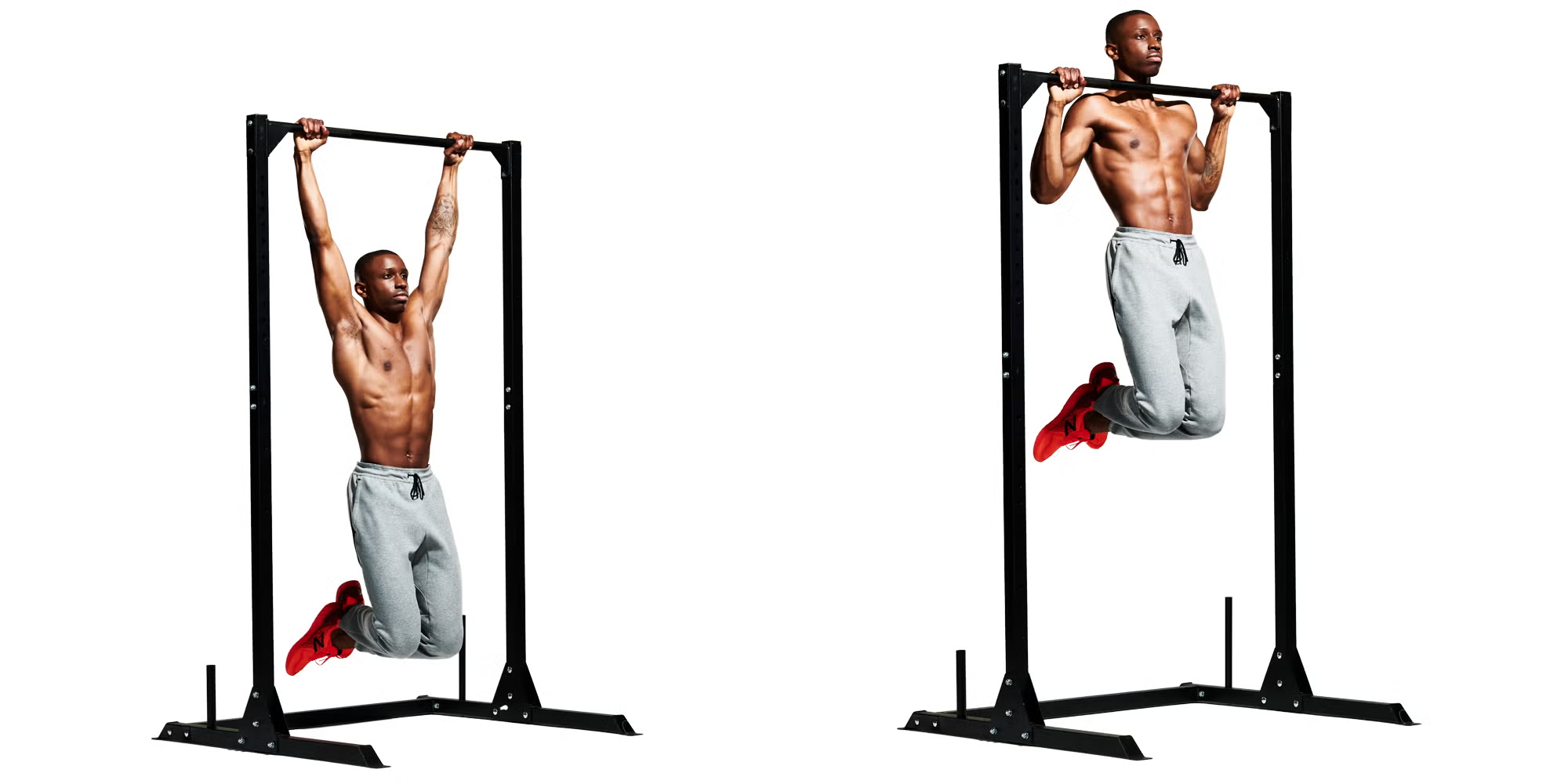
Maintaining proper form during pull-ups is essential for safety and effectiveness. Engage your shoulders, back, and core, and avoid swinging or jerking motions. When using pull-up resistance bands, control the movement and ensure smooth, steady motion throughout the exercise. Assistance from bands should be used to improve form, not to compensate for poor technique. Focusing on proper mechanics reduces strain on joints and muscles while maximizing the benefits of your workout. Controlled execution is particularly important for beginners and those adding resistance.
Gradual Progression and Resistance Selection
Start with resistance levels that match your current strength and experience. Bands come in varying tension levels; beginners should choose higher resistance for assistance, while advanced users may select lighter bands for added challenge. Avoid jumping to difficult variations too quickly, as this increases the risk of injury. Gradually increase repetitions, sets, or reduce band assistance over time to safely improve strength. Monitoring progression ensures steady improvement while maintaining a safe training environment.
Environment and Space Considerations
Ensure your workout area is clear of obstacles, slippery surfaces, and low ceilings. Maintain enough clearance around your pull-up station to perform full movements without hitting walls, furniture, or other objects. Proper lighting and a stable floor also contribute to safe training. Using pull-up resistance bands in an open, uncluttered space prevents accidents caused by slipping or losing control of the band. A suitable environment supports both safety and effectiveness in your home workouts.
Conclusion: Safe and Effective Pull-Up Training
Using pull-up gadgets in combination with pull-up resistance bands can transform your home workouts and accelerate strength gains. By inspecting equipment, installing securely, maintaining proper form, progressing gradually, and ensuring a safe environment, you reduce the risk of injury. Following these safety tips allows you to maximize the benefits of pull-up training while keeping your home gym effective and secure. With mindful preparation and consistent practice, pull-up workouts can be both safe and highly rewarding.