
What Are Woodworms and How Do They Damage Wooden Structures
Introduction
Wood is one of the most commonly used materials in construction and furniture because of its strength, natural beauty, and durability. However, it is not completely safe from biological threats. One of the most harmful pests for wood is the woodworm. A woodworm is not actually a worm but the larval stage of certain beetles that bore into wood. These tiny insects can remain hidden inside timber for years while slowly destroying it from within.
What Are Woodworms?
Woodworms are the larvae of wood-boring beetles such as the common furniture beetle, powderpost beetle, and deathwatch beetle. The adult beetles lay eggs on or inside wooden surfaces, especially in cracks or damaged areas. When the eggs hatch, the larvae begin feeding on the wood. This stage can last from several months to a few years, depending on conditions like temperature and moisture.
During this period, the larvae stay hidden inside the wood, making it difficult to notice their presence until damage becomes visible.visit for more details Shashel
How Woodworms Enter Wooden Structures
Woodworms usually enter buildings through infested wood or furniture. They can also spread through untreated timber used during construction. Damp and poorly ventilated areas are especially attractive to beetles because moisture makes wood easier to penetrate.
Common entry points include:
- Second-hand or untreated furniture
- Construction wood already infected
- Damp basements and roofs
- Cracks in old wooden structures
Once they enter, they slowly spread through beams, floors, and furniture.
How Woodworms Damage Wood
The main damage is caused during the larval stage when the insects feed on wood from the inside. They create tunnels as they eat cellulose, which weakens the structure over time.
Structural Damage
Woodworms can seriously weaken structural timber such as roof beams and floor joists. As the internal wood is eaten away, the strength of the structure decreases. In severe cases, this can lead to sagging floors or even partial collapse of wooden structures.
Surface Damage and Exit Holes
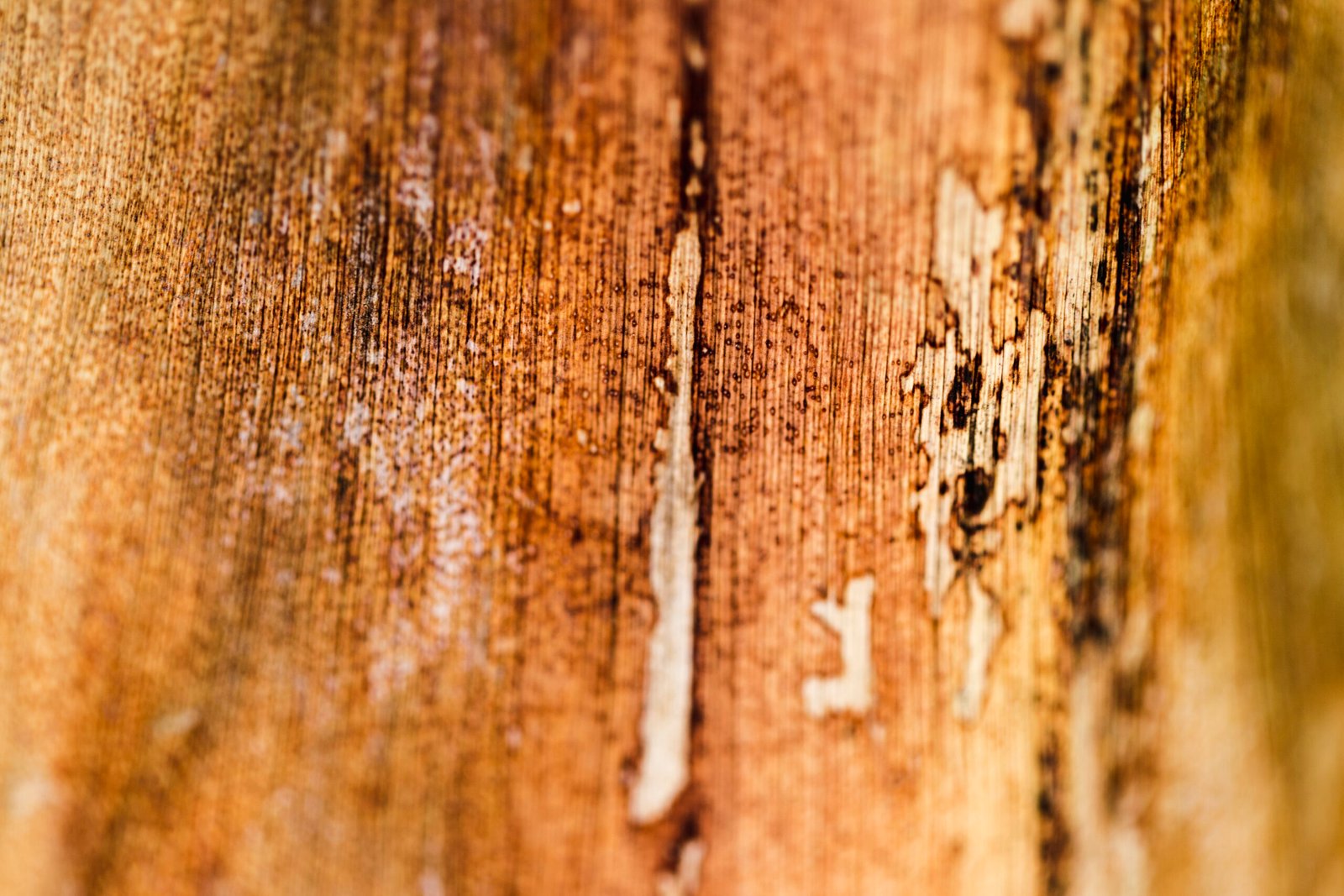
When larvae become adult beetles, they leave the wood by creating small round holes. These holes are often the first visible sign of infestation. Although small in size, they indicate that internal damage may already be severe.
Powdery Dust (Frass)
Another sign of woodworm activity is fine powdery dust known as frass. This is the waste produced by larvae while feeding. It is usually found near holes, furniture edges, or below wooden structures.
Aesthetic Damage
Woodworms also damage the appearance of wood. Furniture and wooden surfaces may look old, weak, and filled with holes. This reduces both beauty and market value, especially in antique items.
Signs of Woodworm Infestation
Early detection is important to prevent serious damage. Common signs include:
- Small round holes in wood
- Fine powder near wooden surfaces
- Weak or crumbling timber
- Tunnels inside broken wood
- Presence of small beetles near windows or wood
Conditions That Encourage Woodworms
Woodworms thrive in specific conditions. Moisture is the most important factor. They prefer:
- Damp or humid environments
- Poor ventilation
- Untreated or decaying wood
- Warm temperatures
Buildings with water leaks or poor airflow are at higher risk.
Prevention of Woodworm Damage
Preventing woodworm infestation is easier than treating it. Some effective methods include:
Keeping wood dry is the most important step because moisture attracts beetles. Proper ventilation helps reduce humidity levels inside buildings. Using chemically treated wood during construction also provides protection. Regular inspection of wooden furniture and structures can help detect early signs before damage spreads.
Treatment of Woodworm Infestation
If an infestation is found, immediate treatment is required. Chemical treatments are commonly used to kill larvae inside the wood. These are applied by spraying or injecting into affected areas.
Heat treatment is another effective method, as high temperatures kill all stages of woodworms. In severe cases, fumigation may be required to eliminate deep infestations. If the wood is badly damaged, replacement may be necessary to ensure safety.
Conclusion
Woodworms are small insects, but they can cause major damage to wooden structures. They work silently inside the wood, slowly weakening it over time. By understanding how they spread, recognizing early signs, and taking proper preventive measures, it is possible to protect homes, furniture, and buildings from serious damage. Regular maintenance and early treatment are key to keeping wood safe and long-lasting.